The Art of Turkish Coffee Preparation: Step by Step Guide
Welcome to Cappadocia, a land of breathtaking landscapes and rich cultural traditions. Among these traditions, the preparation and enjoyment of Turkish coffee hold a special place. More than just a beverage, it’s a ritual, a social custom, and an art form passed down through generations. At King’s Coffee Cappadocia, we’re passionate about sharing this time-honored tradition with visitors from around the world. Whether you’re a seasoned coffee aficionado or a curious traveler, this comprehensive guide will walk you through the step-by-step process of making authentic Turkish coffee.
Why Turkish Coffee is Unique
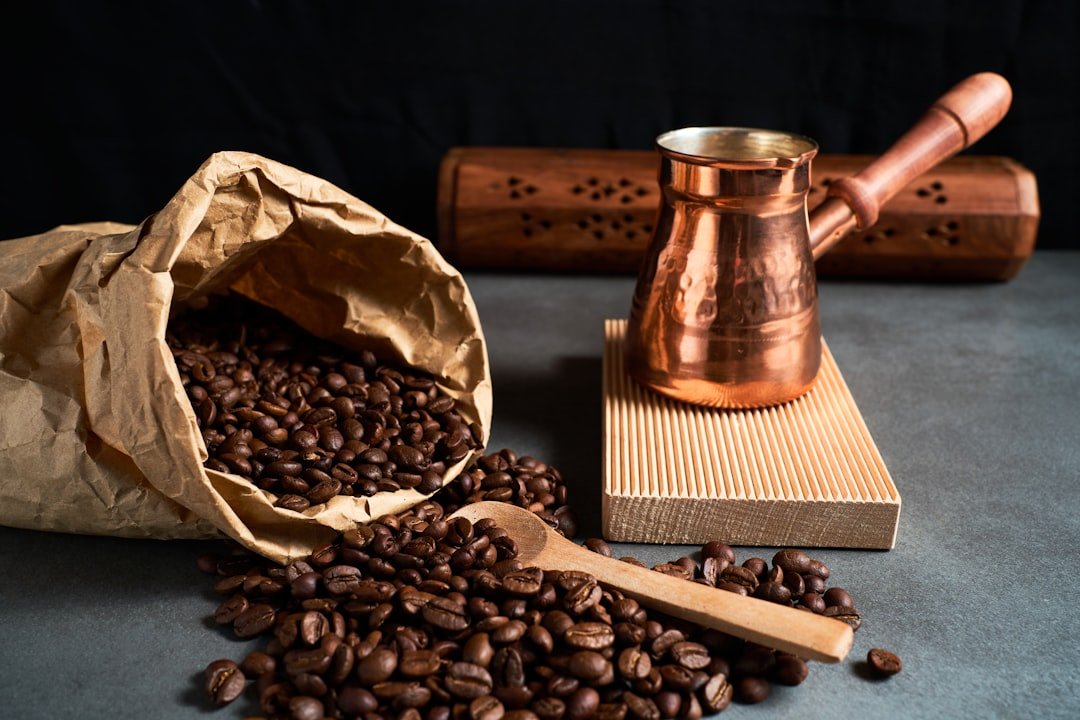
Turkish coffee differs significantly from other brewing methods. It’s characterized by its fine grounds, strong flavor, and the presence of sediment in the cup. The process itself is a performance, a slow and deliberate act that invites conversation and contemplation. It’s traditionally prepared in a special pot called a cezve (or ibrik) and served in small, handleless cups.
Turkish coffee culture is so ingrained that it’s officially recognized by UNESCO as an Intangible Cultural Heritage of Humanity. This recognition highlights its importance as a symbol of hospitality, friendship, and refinement.
Essential Equipment for Turkish Coffee
Before we dive into the steps, let’s gather the necessary equipment. You’ll need:
- Cezve (Ibrik): A small, long-handled pot, preferably made of copper, brass, or stainless steel. The narrow neck helps create a rich foam.
- Turkish Coffee Grinder: A burr grinder is recommended for achieving the extremely fine, powder-like consistency required for Turkish coffee. If you don’t have one, you can sometimes find pre-ground Turkish coffee, but freshly ground is always best.
- Turkish Coffee Cups: Small, handleless cups, often made of porcelain or ceramic.
- Spoon: For stirring the coffee.
- Scale (Optional): For precise measurements.
Ingredients for Perfect Turkish Coffee
The ingredients are simple, but quality matters:
- Finely Ground Coffee: Use a high-quality Arabica coffee, ground to an exceptionally fine powder.
- Filtered Water: The quality of your water directly impacts the taste of your coffee.
- Sugar (Optional): Adjust the sweetness to your preference. Traditionally, Turkish coffee is categorized as:
- Sade: No sugar
- Az Şekerli: A little sugar
- Orta Şekerli: Medium sugar
- Çok Şekerli: A lot of sugar
Step-by-Step Turkish Coffee Preparation Guide
Now, let’s get brewing! Follow these steps for an authentic and delicious Turkish coffee experience.
Step 1: Measure Water and Add to the Cezve
Measure the water using your Turkish coffee cup. For each cup of coffee, use the same cup to measure the water and pour it into the cezve. A good starting point is to fill the cup almost to the brim, leaving a small space to prevent spills.
Pro Tip: If you’re making multiple cups, add the water accordingly. It’s always better to make a little extra rather than running short.
Step 2: Add Coffee and Sugar (if desired)
For each cup of water, add approximately one to two teaspoons (5-10 grams) of finely ground Turkish coffee to the cezve. If you prefer your coffee sweet, add the sugar at this stage. Stir the mixture gently to ensure the coffee and sugar are evenly distributed in the water. Avoid vigorous stirring, as this can disturb the grounds and affect the final result.
Important: Add the sugar before heating. This ensures it dissolves properly and integrates with the coffee.
Step 3: Heat Slowly on Low Heat
Place the cezve on a stovetop burner set to low heat. The key to great Turkish coffee is slow and even heating. This allows the coffee to extract its full flavor and aroma without burning. Patience is crucial in this step.
Step 4: Observe and Stir Gently
As the mixture heats, observe it carefully. A dark foam, called “köpük,” will begin to form on the surface. As the foam rises, stir gently to distribute it evenly. Avoid boiling the coffee at this stage. The köpük is a crucial part of the Turkish coffee experience, contributing to its rich texture and flavor.
Step 5: Remove from Heat and Let Settle
Just before the coffee boils over (when the foam rises dramatically), remove the cezve from the heat. Allow the foam to subside slightly. This is important to prevent the coffee from tasting burnt.
Step 6: Repeat Heating and Foaming (Optional)
For a richer foam, you can repeat the heating and foaming process two or three times. Each time, remove the cezve from the heat just before boiling and allow the foam to settle slightly. This helps to develop a thicker and more stable köpük.
Step 7: Serve with Care
Carefully pour the coffee into the small Turkish coffee cups, distributing the foam evenly among the cups. The sediment will settle at the bottom of the cezve, so pour slowly and gently to minimize the amount of grounds that end up in each cup.
Serving Suggestion: Traditionally, Turkish coffee is served with a glass of water and a piece of Turkish delight (lokum) or other sweet treat. The water is used to cleanse the palate before and after drinking the coffee.
Tips for the Perfect Cup of Turkish Coffee
Here are some additional tips to elevate your Turkish coffee game:
- Use Freshly Roasted Beans: The fresher the beans, the better the flavor.
- Grind Immediately Before Brewing: Grinding just before brewing preserves the aroma and flavor.
- Control the Heat: Low and slow heating is essential for a smooth and flavorful cup.
- Don’t Boil the Coffee: Boiling will result in a bitter and burnt taste.
- Experiment with Sugar: Adjust the amount of sugar to find your perfect level of sweetness.
- Clean Your Cezve Properly: Rinse your cezve with warm water after each use. Avoid using soap, as it can affect the flavor of future brews.
- Practice Makes Perfect: Don’t be discouraged if your first few attempts aren’t perfect. With practice, you’ll master the art of Turkish coffee preparation.
The Significance of Turkish Coffee Grounds
After enjoying your Turkish coffee, you’ll notice a layer of sediment at the bottom of the cup. This is perfectly normal and a characteristic feature of Turkish coffee. Traditionally, these grounds are used for fortune-telling, a practice known as tasseography. While the accuracy of these readings is debatable, it adds another layer of cultural richness to the Turkish coffee experience.
Beyond the Brew: Experiencing Turkish Coffee Culture in Cappadocia
Cappadocia offers the perfect setting to immerse yourself in Turkish coffee culture. Imagine sipping a rich, aromatic cup of Turkish coffee while gazing at the iconic fairy chimneys and hot air balloons dotting the skyline. It’s an experience that transcends the beverage itself.
Where to Enjoy Authentic Turkish Coffee in Cappadocia
While many cafes in Cappadocia offer Turkish coffee, some stand out for their dedication to quality and tradition. We, of course, recommend King’s Coffee Cappadocia, located in Goreme. Here, you can savor authentic Turkish coffee prepared with passion and served with a breathtaking view of the fairy chimneys. Our cozy cave interior provides the perfect ambiance for enjoying this traditional beverage. We also offer a variety of espresso-based drinks and specialty coffee options. For a delightful alternative, visit Queen’s Coffee, our sister cafe known for artisan pastries and Instagram-worthy presentations. Both offer an unforgettable coffee experience.
Getting Around Cappadocia
To fully explore the wonders of Cappadocia, consider utilizing a reliable transportation service. For convenient and comfortable airport transfers and tours, Cappadocia Taxi (website: cappadocia.taxi) offers professional English-speaking drivers and 24/7 service from Kayseri and Nevsehir airports. They provide comfortable vehicles and competitive prices to ensure a seamless travel experience.
Conclusion: Embrace the Art of Turkish Coffee
The art of Turkish coffee preparation is more than just a set of instructions; it’s an invitation to slow down, connect with tradition, and savor the moment. We hope this guide has inspired you to try your hand at making Turkish coffee at home. And if you find yourself in Cappadocia, be sure to visit us at King’s Coffee Cappadocia for an authentic and unforgettable coffee experience. We look forward to sharing a cup with you!
Ready to experience the magic of Turkish coffee in Cappadocia? Visit King’s Coffee Cappadocia in Goreme and discover the perfect blend of tradition and breathtaking views.
Bir yanıt yazın